

Artificial intelligence is no longer a futuristic buzzword in marketing circles; it’s the engine running behind almost every successful campaign in 2026. From predictive analytics to hyper-personalized content, AI in digital marketing has moved from “nice to have” to “non-negotiable.” At Tokma Digital, we’ve watched this shift firsthand, and businesses that adapt early are the ones pulling ahead of the competition.
In this article, we’ll break down exactly how AI is reshaping digital marketing in 2026, what tools and trends are leading the change, and what your business needs to do to stay competitive.
Why AI in Digital Marketing Matters More Than Ever
Consumers today expect fast, relevant, and personalized experiences. A generic email blast or a one-size-fits-all ad campaign simply doesn’t cut it anymore. AI-powered digital marketing allows businesses to:
- Analyze massive amounts of customer data in seconds
- Predict buying behavior before it happens
- Automate repetitive tasks so teams can focus on strategy
- Deliver personalized content at scale
This isn’t just about efficiency; it’s about relevance. Brands that use AI effectively are building stronger, longer-lasting relationships with their audiences.
1. AI-Powered Content Creation Is Reshaping Marketing Teams

Content marketing has always been time-intensive, but AI tools have changed the game. Marketers now use AI to draft blog posts, generate ad copy, create social media captions, and even produce video scripts in a fraction of the time it used to take.
This doesn’t mean AI is replacing human creativity; it’s amplifying it. The best-performing brands in 2026 use AI to handle the heavy lifting of first drafts and ideation, while human marketers refine tone, brand voice, and storytelling. This hybrid approach speeds up content production without sacrificing quality, which is essential for maintaining a consistent content marketing strategy.
2. Hyper-Personalization at Scale

One of the biggest shifts AI has brought to digital marketing is true personalization not just inserting a customer’s first name into an email, but tailoring entire customer journeys based on behavior, preferences, and purchase history.
AI-driven personalization now powers:
- Product recommendations on e-commerce sites
- Dynamic website content that changes based on visitor behavior
- Personalized email marketing sequences
- Custom ad targeting based on real-time browsing patterns
For businesses, this means higher engagement rates, better conversion rates, and improved customer retention all key metrics in any digital marketing strategy.
3. Predictive Analytics Is Changing How Marketers Plan

Gone are the days of relying purely on past performance to guess what might work next. AI-powered predictive analytics tools now allow marketers to forecast trends, customer behavior, and campaign outcomes with impressive accuracy.
This helps businesses:
- Identify which leads are most likely to convert
- Predict customer churn before it happens
- Optimize ad spend by focusing budget on high-performing channels
- Time campaigns for maximum impact
For any business investing in digital marketing in 2026, predictive analytics isn’t optional; it’s a competitive advantage.
4. AI Chatbots and Conversational Marketing
Customer service and marketing have merged in ways that weren’t possible a few years ago. AI chatbots are now sophisticated enough to handle customer inquiries, qualify leads, recommend products, and even close sales, all without human intervention.
Modern AI chatbots go beyond scripted responses. They use natural language processing to understand context, tone, and intent, creating conversations that feel genuinely helpful rather than robotic. This has made conversational marketing one of the fastest-growing trends in digital marketing this year.
5. Smarter SEO Through AI
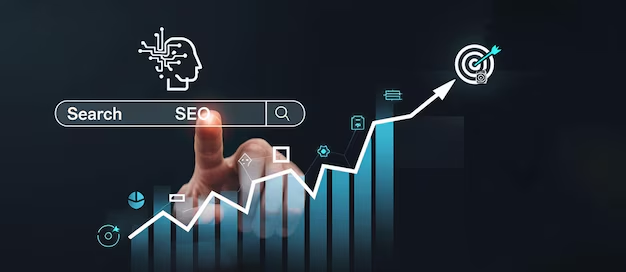
Search engine optimization has always required a mix of technical skill and content strategy, but AI has made SEO significantly more data-driven. AI tools now help marketers:
- Identify high-value keywords faster
- Analyze competitor content gaps
- Optimize on-page elements automatically
- Understand search intent more accurately
Google’s own search algorithms increasingly rely on AI and machine learning to understand content quality and relevance, which means businesses need to focus on genuinely helpful, well-structured content rather than trying to “game” the system. AI-assisted SEO tools help identify exactly what that looks like for your specific industry and audience.
6. AI-Driven Ad Targeting and Optimization

Paid advertising platforms like Google Ads and Meta Ads have quietly become AI-first systems. Machine learning algorithms now handle much of the targeting, bidding, and optimization that used to require constant manual adjustment.
This shift means:
- Ad budgets are allocated more efficiently in real time
- Audience targeting is more precise, reducing wasted ad spend
- A/B testing happens continuously and automatically
- Campaign performance improves the longer the AI has data to learn from
Businesses that lean into AI-optimized advertising typically see better return on ad spend (ROAS) compared to manually managed campaigns.
7. Voice Search and AI Assistants
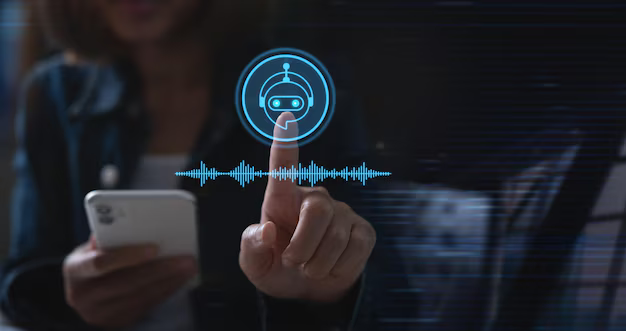
With the growing use of voice assistants, optimizing for voice search has become an important part of any modern SEO strategy. Voice queries tend to be longer, more conversational, and question-based compared to typed searches.
This means businesses need to think differently about keyword strategy, focusing on natural language, FAQ-style content, and local search optimization to capture voice-driven traffic.
8. AI in Social Media Marketing
Businesses are using AI to:
- Identify the best times to post based on audience activity patterns
- Generate content variations to test what resonates with different segments
- Monitor brand sentiment across comments and mentions in real time
- Spot emerging trends before they go mainstream
This gives brands the ability to react quickly and stay relevant in fast-moving social feeds, rather than relying on guesswork or outdated posting schedules.
9. Measuring ROI With AI-Powered Attribution

One of the long-standing challenges in digital marketing has been accurately measuring which channels and touchpoints actually drive conversions. AI-powered attribution models are solving this by analyzing the full customer journey across multiple devices, platforms, and interactions rather than crediting a single “last click.”
This gives businesses a much clearer picture of what’s actually working, allowing for smarter budget allocation and more confident decision-making when it comes to scaling campaigns.
Frequently Asked Questions About AI and Digital Marketing
Is AI replacing digital marketers?
No. AI is automating repetitive, data-heavy tasks, but strategy, creativity, and brand storytelling still require human judgment. The most successful marketing teams in 2026 combine AI efficiency with human insight.
Do small businesses really benefit from AI marketing tools?
Yes. Many AI-powered marketing tools are now affordable and accessible to small and medium-sized businesses, not just large enterprises with big budgets. This has leveled the playing field significantly.
What’s the easiest way to start using AI in marketing?
Start small: AI-assisted content creation, chatbots for customer service, or AI-driven ad optimization are good entry points that deliver quick, measurable value without a complete overhaul of your marketing strategy.
What This Means for Your Business

AI isn’t replacing marketers; it’s changing what marketers spend their time on. Instead of manually sorting through data or writing every piece of content from scratch, marketing teams can focus on strategy, creativity, and building genuine customer relationships, while AI handles the repetitive, data-heavy work.
For small and medium-sized businesses, this is actually a huge opportunity. AI tools that were once only available to large corporations with big budgets are now accessible and affordable, leveling the playing field.
How Tokma Digital Can Help
At Tokma Digital, we help businesses integrate AI-driven strategies into their digital marketing without losing the human touch that builds real customer trust. Whether it’s AI-assisted SEO, personalized email campaigns, smarter ad targeting, or content strategy, we make sure the technology serves your brand, not the other way around.
Final Thoughts
AI is fundamentally changing digital marketing in 2026, and businesses that embrace these tools early are seeing measurable results: better engagement, higher conversions, and more efficient marketing spend. The businesses that ignore this shift risk falling behind competitors who are already using AI to work smarter, not harder.
If you’re ready to future-proof your marketing strategy with AI-powered tools and expert guidance, Tokma Digital is here to help you navigate the change and turn it into real growth.


